· 10 min read
Private Transfer Heathrow to London: 2026 Guide
Discover everything about private transfer Heathrow to London in 2026. Expert guidance on booking, costs, benefits, and choosing the right service.

Landing at one of the world's busiest airports brings its own set of challenges, especially when you need to reach central London efficiently and comfortably. With over 80 million passengers passing through Heathrow annually according to Office for National Statistics data, the demand for reliable ground transportation has never been higher. A private transfer Heathrow to London offers a premium alternative to public transport, combining convenience, comfort, and personalized service for both business travelers and families alike. Understanding your options, costs, and what to expect from a professional chauffeur service can transform your arrival experience from stressful to seamless.
Understanding Private Transfer Services from Heathrow
Private transfers represent a distinct category of ground transportation that differs significantly from traditional taxis or ride-sharing services. These pre-booked, chauffeur-driven services provide dedicated vehicles and professional drivers who monitor your flight status and adjust pickup times accordingly.
What Distinguishes a Private Transfer
The core difference lies in the level of service and predictability. Unlike metered taxis that calculate fares based on time and distance, private transfers operate on fixed pricing established at booking. This transparency eliminates concerns about traffic delays inflating your final bill.
Key characteristics include:
- Pre-arranged pickup with flight monitoring
- Fixed rates regardless of traffic conditions
- Professional, vetted chauffeur drivers
- Premium vehicle options tailored to group size
- Meet-and-greet service inside terminal buildings
- Complimentary wait time for flight delays
Meet-and-greet services distinguish premium providers from basic options. Your chauffeur tracks your flight in real-time and waits in the arrivals hall holding a name board, then assists with luggage and navigates you to a vehicle parked in priority areas.
Regulatory Framework and Standards
The private hire industry operates under strict regulations. All legitimate operators must comply with GOV.UK licensing requirements for vehicles and drivers, ensuring background checks, insurance coverage, and vehicle safety standards.
| Requirement | Private Transfer | Licensed Taxi | Ride-Share |
|---|---|---|---|
| Pre-booking required | Yes | No | Optional |
| Fixed pricing | Yes | No (metered) | Variable |
| Licensed driver | Required | Required | Required |
| Vehicle inspection | Annual | Annual | Annual |
| Insurance level | Commercial hire | Hackney carriage | Commercial hire |
Heathrow Airport maintains approved operator lists, though passengers can book any properly licensed private hire service. The official Heathrow transport guidance recommends pre-booking to avoid unlicensed touts in terminal areas.

Cost Analysis and Value Proposition
Pricing for a private transfer Heathrow to London varies based on multiple factors, but understanding the value equation helps justify the investment over alternative transport modes.
Transparent Pricing Structure
Most reputable providers quote all-inclusive rates covering vehicle, driver, fuel, tolls, parking, and standard wait time. For 2026, typical price ranges break down as follows:
Standard sedan (1-3 passengers): £65-£95
Executive sedan (1-3 passengers): £85-£120
MPV/Van (4-7 passengers): £95-£140
Luxury vehicles (premium brands): £150-£250
These rates apply to central London destinations within the congestion charge zone. Outer London postcodes may cost slightly less, while premium neighborhoods like Knightsbridge or Mayfair sometimes command higher rates due to parking challenges.
Comparative Cost Assessment
When evaluating value, consider the total journey cost including ancillary expenses. The Heathrow Express train costs £25-£32 per person one-way, requiring additional taxi or Underground connections to reach final destinations. A family of four would spend £100-£128 on rail tickets alone, then face luggage management across multiple transport modes.
| Transport Mode | Base Cost (4 people) | Additional Costs | Total Time | Door-to-Door |
|---|---|---|---|---|
| Private transfer | £95-£140 | None | 45-90 min | Yes |
| Heathrow Express + taxi | £100-£128 | £15-£30 taxi | 60-100 min | No |
| Piccadilly Line | £24-£28 | Possible taxi | 70-110 min | No |
| National Express coach | £24-£40 | Possible taxi | 90-150 min | No |
The time savings alone justify premium pricing for many travelers. Business professionals bill their time at rates that make a private transfer Heathrow to London economically sensible when factoring productivity during the journey.
Hidden Value Factors
Beyond direct cost comparisons, several intangible benefits add value. Flight delays trigger automatic adjustments with no additional fees from quality providers. Luggage assistance proves invaluable for families or business travelers with equipment. Vehicle privacy enables confidential phone calls or relaxation impossible on public transport.
Booking Process and Best Practices
Securing a reliable private transfer requires more than selecting the cheapest option online. Strategic booking and provider selection directly impact your travel experience.
Optimal Booking Timeline
3-7 days advance: Ideal for standard bookings, ensuring vehicle availability and best rates
24-48 hours: Still feasible but limited vehicle selection, possible premium rates
Same-day: Available from quality operators but expect 20-30% surcharges
Early booking locks in pricing and guarantees your preferred vehicle category. Last-minute availability depends on fleet size, so established operators with hundreds of vehicles maintain better same-day capacity.

Essential Information Requirements
Booking systems request specific details to ensure smooth service delivery:
- Flight information including airline, flight number, and scheduled arrival time
- Passenger count and any special needs (child seats, wheelchair access)
- Luggage quantity to ensure appropriate vehicle size
- Destination address with postcode for accurate routing
- Contact number reachable upon arrival
- Special requests such as Wi-Fi, refreshments, or specific routes
Accurate flight details enable automatic monitoring and pickup time adjustments. Underestimating luggage volume may result in vehicle upgrades at premium rates or booking complications.
Evaluating Provider Credibility
The chauffeur industry contains both exceptional operators and unreliable services. Distinguish quality providers through these indicators:
- Transparent pricing with no hidden fees
- Proper licensing and insurance documentation
- Established track record with verifiable reviews
- 24/7 customer support accessibility
- Clear cancellation and amendment policies
- Professional website with secure booking
Companies with over one million completed rides demonstrate operational maturity and customer satisfaction. These established operators maintain rigorous driver vetting, comprehensive insurance, and systems for handling disruptions.
Service Categories and Vehicle Options
Vehicle selection impacts comfort, capacity, and cost. Understanding categories helps match your specific requirements to appropriate options.
Standard Chauffeur Vehicles
Executive sedans form the foundation of private transfer fleets. Models like Mercedes E-Class, BMW 5 Series, or Audi A6 accommodate three passengers with standard luggage comfortably. These vehicles balance sophistication with practical capacity.
Capacity specifications:
- Passengers: 3 adults maximum
- Large suitcases: 2-3 pieces
- Carry-on bags: 3-4 items
- Special features: Climate control, leather interiors, phone charging
For groups exceeding sedan capacity, MPVs and minivans provide flexible solutions. Mercedes V-Class, Volkswagen Caravelle, and similar vehicles transport 5-7 passengers with corresponding luggage space.
Premium and Specialty Options
Luxury transfers cater to clients requiring ultimate comfort or brand prestige. Mercedes S-Class, BMW 7 Series, Range Rover, and luxury SUVs deliver enhanced amenities, superior ride quality, and elevated brand positioning.
| Vehicle Category | Passenger Capacity | Luggage | Typical Rate Premium |
|---|---|---|---|
| Standard sedan | 1-3 | 2-3 large | Baseline |
| Executive sedan | 1-3 | 2-3 large | +15-25% |
| Luxury sedan | 1-3 | 2-3 large | +80-120% |
| Standard MPV | 4-7 | 5-7 large | +25-40% |
| Luxury SUV | 1-5 | 3-5 large | +100-150% |
Specialty vehicles serve unique requirements. Eight-passenger minibuses handle large families or small corporate groups, while accessible vehicles accommodate wheelchair users with proper lift equipment.
Environmental Considerations
Sustainability-conscious travelers increasingly request hybrid or electric vehicles. The shift toward zero-emission transport aligns with Heathrow's sustainability commitments, which target increased public transport use and reduced surface access emissions.
Hybrid vehicles like the Mercedes E300h or BMW 530e reduce environmental impact while maintaining comfort standards. Fully electric options remain limited for airport transfers due to range and charging infrastructure constraints, though this evolves rapidly.
Research published in Transportation Research Part D demonstrates that door-to-door carbon calculations must account for total journey emissions, including connecting transport. For groups of three or more, a single private transfer Heathrow to London can produce lower per-passenger emissions than multiple rail-and-taxi combinations.
Journey Experience and Service Standards
The actual transfer experience distinguishes premium providers from basic transport services. Professional chauffeur companies maintain consistent standards across the entire journey.
Arrival and Meet-and-Greet Protocol
Upon landing, your chauffeur monitors flight status through airline systems, adjusting for early or delayed arrivals. This eliminates pressure to rush through immigration or baggage claim.
Standard meet-and-greet sequence:
- Chauffeur positions in arrivals hall 15 minutes before expected passenger emergence
- Holds professional name board with passenger surname or company logo
- Verifies passenger identity and welcomes them professionally
- Assists with luggage trolley and carries bags to vehicle
- Confirms destination and preferred route
- Loads luggage and ensures passenger comfort before departure
Complimentary wait time typically extends 60 minutes from actual landing time for international flights, 45 minutes for domestic arrivals. This buffer accommodates immigration queues, baggage delays, and customs inspections without additional charges.
In-Transit Standards
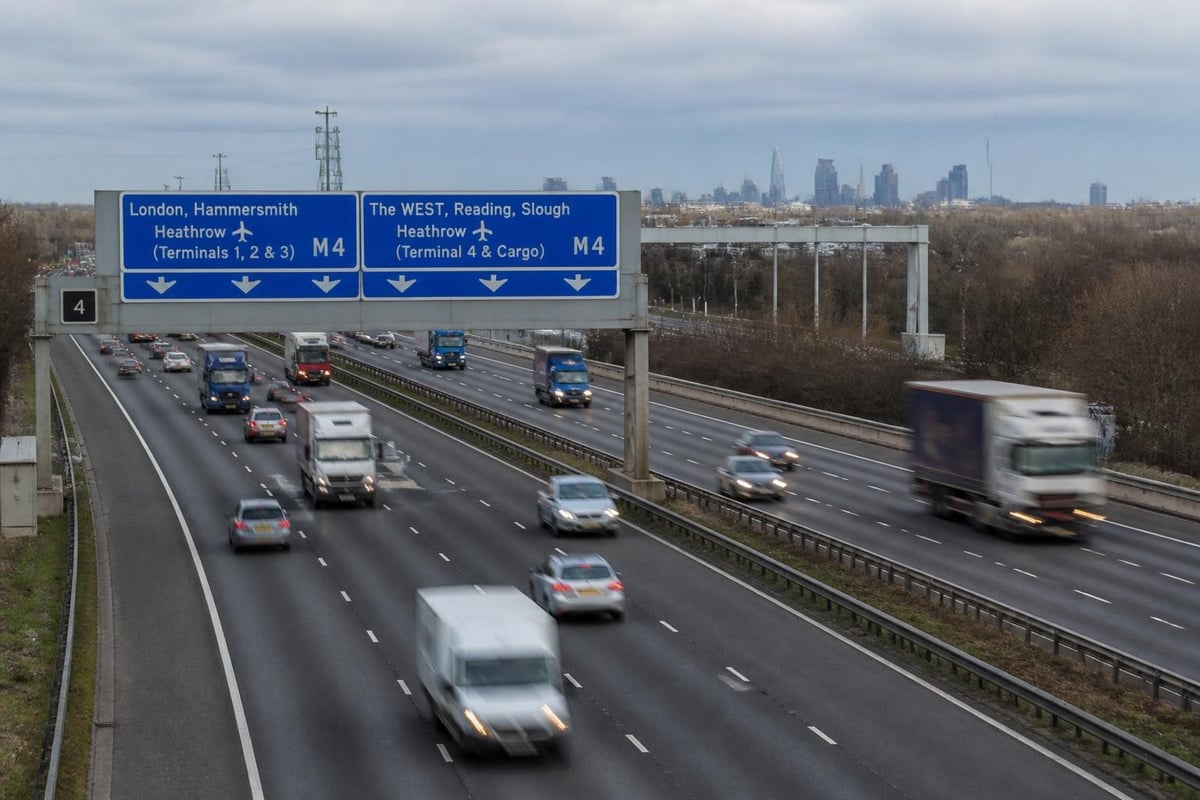
Professional chauffeurs balance efficiency with safety and comfort. Route selection considers real-time traffic, roadworks, and time-of-day congestion patterns. The M4 motorway provides the fastest route to central London under normal conditions, typically requiring 45-60 minutes to reach areas like Paddington or Kensington.
Alternative routes through A4 or via M25 and North Circular suit specific destinations or traffic conditions. Experienced drivers leverage local knowledge rather than blindly following GPS, often saving 15-20 minutes during peak periods.
Vehicle amenities enhance the journey experience. Bottled water, phone chargers, and Wi-Fi access have become standard inclusions from quality operators. Climate control maintains passenger comfort regardless of season.
Communication and Flexibility
Premium providers enable direct driver contact, allowing real-time coordination for changing plans. If your meeting location shifts or you need a brief stop for supplies, professional chauffeurs accommodate reasonable requests within the fixed-price structure.
Some situations require special handling. The Civil Aviation Authority provides guidance for passengers affected by airport incidents, and reputable transfer companies maintain protocols for such disruptions, including rebooking assistance and flexible cancellation terms.
Terminal-Specific Considerations
Heathrow's four operational terminals each present unique pickup logistics that affect transfer efficiency.
Terminal Layout and Access Points
Terminals 2, 3, and 4 maintain dedicated short-stay parking areas where chauffeurs collect passengers. Terminal 5's configuration requires specific knowledge of subterminology (5A, 5B, 5C) to coordinate precise meeting locations.
Terminal-specific notes:
- Terminal 2: Recently renovated with clear signage, quick access to M4
- Terminal 3: Shares road infrastructure with Terminal 2, similar pickup procedures
- Terminal 4: Separate access road, slightly longer journey to M4 junction
- Terminal 5: Largest terminal with multiple satellite buildings, requires specific location coordination
Communication clarity prevents confusion. When booking, specify which terminal your flight arrives at, enabling your chauffeur to position correctly and provide accurate meeting point instructions.
Parking and Pickup Regulations
Heathrow enforces strict parking regulations. Private hire vehicles cannot wait in arrivals forecourts, necessitating short-stay parking usage. Premium operators absorb these parking costs within quoted rates, while budget services may levy surcharges.
This operational requirement explains why meet-and-greet services justify their premium. The chauffeur pays parking fees to wait inside terminals rather than circulating or making passengers walk to remote pickup zones.
Future Trends and Policy Developments
The ground transportation landscape continues evolving through regulatory changes, technological advancement, and sustainability imperatives.
Expansion Impact on Surface Access
The draft Heathrow Expansion National Policy Statement outlines surface access requirements if additional capacity proceeds. Policy targets include increased public transport mode share and reduced private vehicle trips per passenger.
These objectives don't eliminate private transfers but may influence operational procedures, particularly regarding emission standards and vehicle technology. Forward-thinking operators already transition toward hybrid and electric fleets to align with evolving requirements.
Technology Integration
Digital transformation enhances the booking experience and service delivery. Real-time tracking apps enable passengers to monitor their assigned vehicle's location, reducing arrival uncertainty. Automated communication systems provide proactive updates about driver details, vehicle information, and estimated arrival times.
Contactless payment processing and digital receipts streamline business expense management. Corporate booking platforms integrate with travel management systems, enabling centralized oversight and reporting for frequent business travelers.
Personalization and Loyalty Programs
Established providers develop customer profiles that remember preferences from prior journeys. Preferred routes, vehicle temperature settings, beverage choices, and even newspaper preferences can be recorded and automatically implemented for repeat clients.
Loyalty programs reward frequent users with preferential rates, guaranteed availability, and complimentary upgrades. For business travelers making regular airport transfers, these programs deliver meaningful value beyond single-journey pricing.
Choosing a private transfer Heathrow to London transforms airport arrival from a logistical challenge into a comfortable, efficient experience that sets the right tone for your visit. The combination of fixed pricing, professional service, and door-to-door convenience delivers value that extends beyond simple cost comparisons. Whether you're traveling internationally or exploring services like those available for airport transfers in other destinations, partnering with an experienced provider ensures reliability and peace of mind. Bacharide brings over 1.4 million completed rides of expertise to your journey, with vetted chauffeurs, transparent pricing, and 24/7 support ready to make your next Heathrow arrival seamless.
