· 9 min read
Class Travel: Planning Safe Educational Trips in 2026
Discover how to organize successful class travel experiences. From safety protocols to logistics, learn best practices for educational trips.
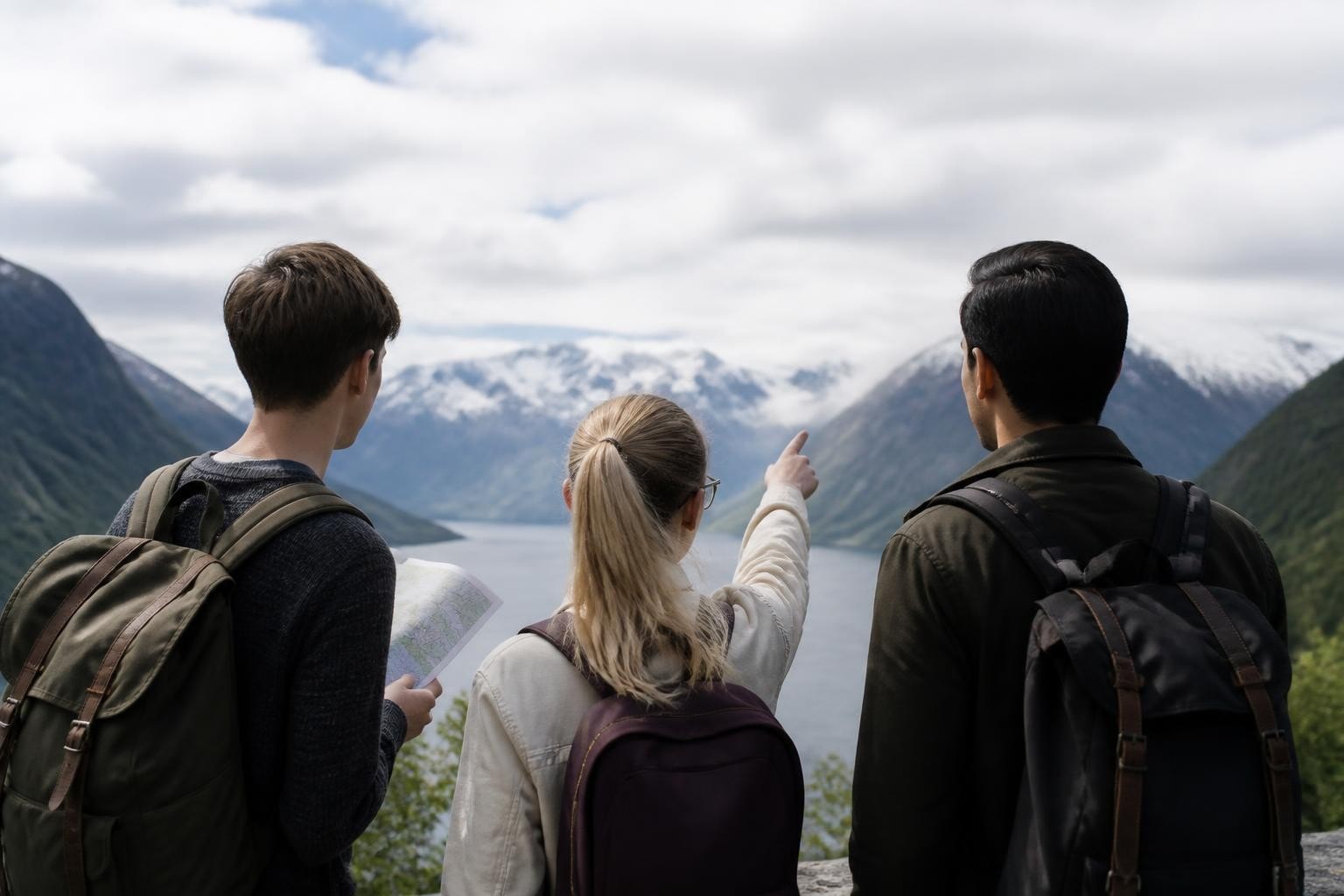
Educational institutions increasingly recognize that learning extends far beyond classroom walls. Class travel has evolved from occasional field trips into structured learning experiences that complement curriculum goals, build student confidence, and create lasting memories. Whether organizing a day visit to a local museum or planning an international study tour, educators face unique challenges in coordinating safe, meaningful, and logistically sound travel for students. The complexity of modern class travel demands careful attention to safety protocols, transportation logistics, budget management, and educational outcomes while ensuring every student benefits from the experience.
Understanding the Educational Value of Class Travel
Class travel represents a fundamental shift in pedagogical approach, transforming abstract concepts into tangible experiences. Students engage with subjects in authentic contexts, whether studying Roman history at archaeological sites or understanding marine biology through coastal fieldwork. This experiential learning creates neural connections that traditional classroom instruction cannot replicate.
Research consistently demonstrates that students who participate in well-structured educational trips show improved academic performance and increased engagement with subject matter. The enrichment framework highlights how these experiences contribute to broader educational development beyond test scores.
Curriculum Integration and Learning Objectives
Successful class travel begins with clear educational objectives aligned to curriculum standards. Teachers must articulate specific learning outcomes that justify the time, expense, and logistical effort involved in taking students off campus.
Key considerations for curriculum integration:
- Identify concrete learning standards addressed by the trip
- Develop pre-visit materials that build foundational knowledge
- Create on-site activities that promote active engagement
- Design post-visit assessments that measure learning outcomes
- Connect experiences to ongoing classroom work throughout the academic year
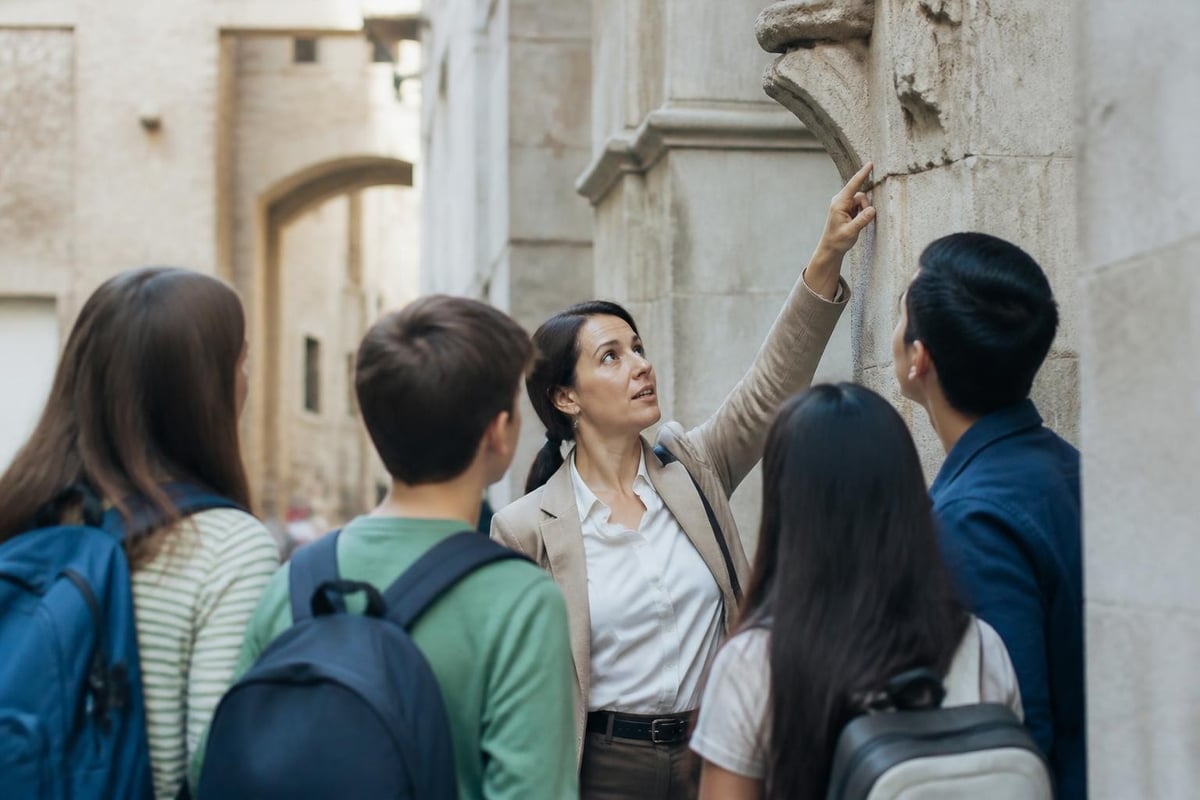
Educational trips should never function as standalone events disconnected from regular instruction. The most effective programs weave travel experiences into semester-long units, using the trip as a centerpiece around which other learning activities revolve. Students prepare for weeks in advance, gathering context that makes their on-site experience richer and more meaningful.
Planning and Logistics for Educational Group Travel
The operational complexity of class travel demands meticulous attention to detail months before departure. Successful trips require coordination across multiple domains: transportation, accommodation, site bookings, meal planning, emergency protocols, and communication systems.
Transportation logistics often present the greatest challenge, particularly for international class travel. Schools must balance cost constraints against safety requirements and schedule flexibility. Professional chauffeur services provide reliable solutions for airport transfers and point-to-point transportation, eliminating the stress of navigating unfamiliar locations with large student groups. For institutions organizing trips to Morocco, services like Airport Agadir transfer ensure smooth connections between airports and destinations such as Taghazout, Marrakech, or Essaouira, allowing educators to focus on student supervision rather than driving logistics.
Risk Assessment and Safety Protocols
Duty of care remains paramount throughout every stage of class travel. The Royal Geographical Society's field standards provide comprehensive guidance for educational visits, particularly those involving international destinations or outdoor activities.
| Risk Category | Assessment Actions | Mitigation Strategies |
|---|---|---|
| Transportation | Review provider credentials and insurance | Use licensed, vetted services with safety records |
| Medical | Collect health information and emergency contacts | Arrange travel insurance and identify local healthcare facilities |
| Supervision | Calculate appropriate adult-to-student ratios | Recruit qualified chaperones and establish clear protocols |
| Communication | Test devices and establish check-in schedules | Carry multiple communication methods including local SIM cards |
Schools must conduct formal risk assessments for every trip, documenting potential hazards and preventive measures. This documentation serves both safety and legal purposes, demonstrating that institutions have fulfilled their duty of care obligations. Parents and guardians should receive detailed information about safety protocols, allowing them to make informed consent decisions.
Budget Management and Financial Accessibility
The financial dimension of class travel creates tension between educational ambitions and economic reality. Schools must design trips that deliver genuine educational value while remaining accessible to students across socioeconomic backgrounds.
Strategies for managing class travel costs:
- Start fundraising activities 12-18 months before departure
- Negotiate group rates with vendors and service providers
- Explore grant opportunities from educational foundations
- Implement sliding-scale payment options based on family income
- Consider domestic alternatives that reduce transportation costs
- Partner with other schools to increase group size and reduce per-student expenses
Financial barriers should never prevent students from participating in valuable educational experiences. Progressive schools establish scholarship funds specifically for class travel, ensuring that cost never determines who benefits from these transformative opportunities. Transparent communication about costs and available financial assistance helps families plan accordingly.
International Class Travel Considerations
Cross-border educational trips introduce additional layers of complexity beyond domestic travel. Passport requirements, visa applications, currency exchange, language barriers, and cultural differences all demand careful preparation.
The UNESCO Institute's guidance on study tours offers frameworks for organizing international educational exchanges that maximize learning while respecting host communities. These principles emphasize reciprocal benefit, cultural sensitivity, and meaningful engagement rather than superficial tourism.
Documentation and Legal Requirements
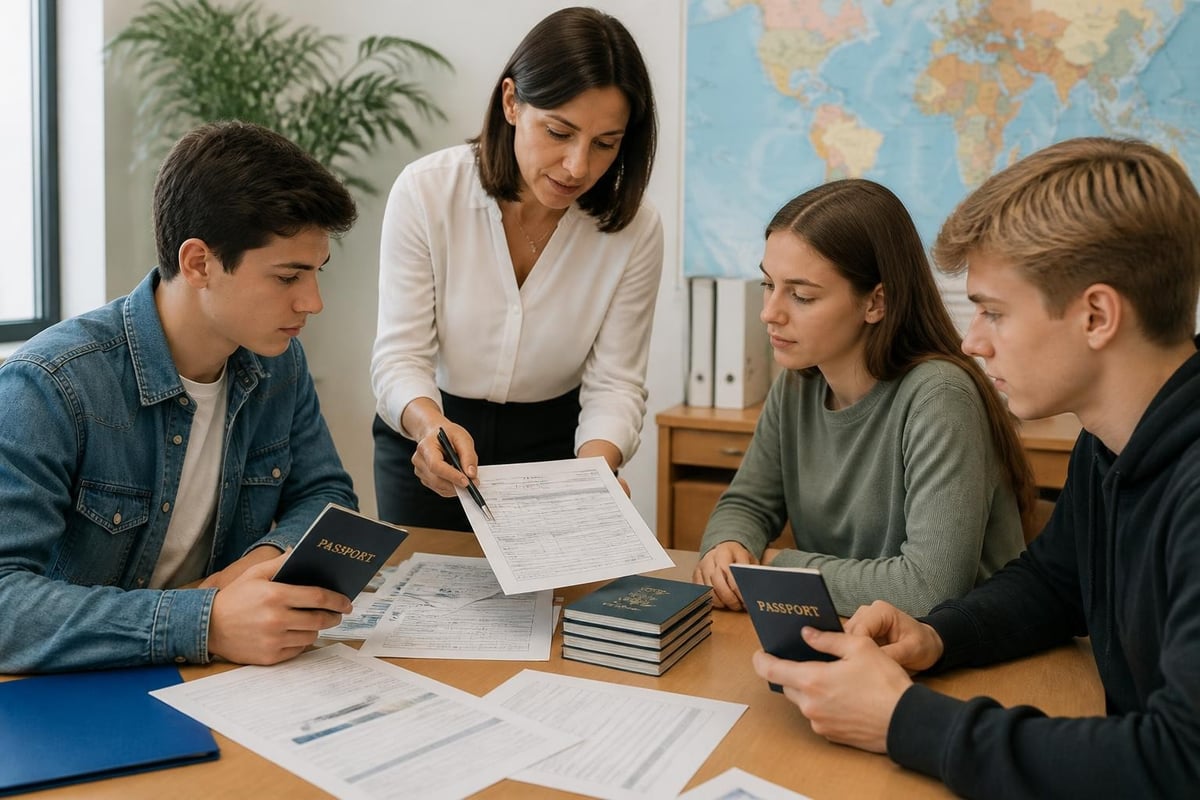
International class travel requires meticulous attention to documentation deadlines and legal requirements. Missing a single document can prevent students from crossing borders, potentially derailing entire trips.
Essential documentation checklist:
- Valid passports with at least six months remaining validity
- Appropriate visas for destination countries
- Parental consent forms notarized if required by destination
- Medical authorization forms permitting emergency treatment
- Copies of all documents stored separately from originals
- Group leader contact information filed with national embassies
Schools should begin the documentation process at least six months before departure for international class travel. Many countries require several weeks to process visa applications, and delays can occur during peak travel seasons. Appointing a dedicated trip coordinator to manage paperwork ensures nothing falls through administrative cracks.
Cultural Preparation and Language Skills
Preparing students for cultural differences enhances both safety and educational value during international class travel. Students should understand basic cultural norms, appropriate behavior in religious or historical sites, and essential phrases in the local language.
Pre-departure sessions might include presentations from native speakers, virtual tours of destinations, or discussions about cultural differences students will encounter. This preparation reduces culture shock and helps students approach new experiences with openness rather than anxiety.
Specialized Educational Travel Programs
Different academic disciplines require distinct approaches to class travel. Science field courses demand different logistics than history tours, while language immersion programs follow unique pedagogical models.
| Subject Area | Typical Destinations | Key Activities | Duration |
|---|---|---|---|
| History | Museums, battlefields, archaeological sites | Guided tours, primary source analysis | 3-7 days |
| Science | Research stations, nature reserves, laboratories | Data collection, specimen observation | 5-10 days |
| Languages | Countries where language is spoken | Homestays, conversation practice, cultural immersion | 10-21 days |
| Arts | Galleries, theaters, architectural landmarks | Workshops, performances, sketching sessions | 4-8 days |
The European market for educational tourism continues expanding as institutions recognize the competitive advantage of offering robust travel programs. Schools that integrate regular class travel into their educational model attract families seeking comprehensive learning experiences for their children.
STEM Field Courses and Research Expeditions
Science, technology, engineering, and mathematics programs benefit enormously from field-based learning. Marine biology students gain infinitely more from snorkeling on a coral reef than from viewing photographs in textbooks. Geology students understand rock formation by examining outcrops in their natural context.
STEM-focused class travel often involves data collection that contributes to ongoing research projects. Students might monitor water quality in local watersheds, document biodiversity in protected areas, or participate in archaeological surveys. These authentic research experiences teach scientific methodology while generating genuine knowledge.
Language Immersion and Cultural Exchange
Language acquisition accelerates dramatically when students use their skills in authentic contexts. Class travel to countries where the target language is spoken forces students beyond classroom comfort zones into real-world communication situations.
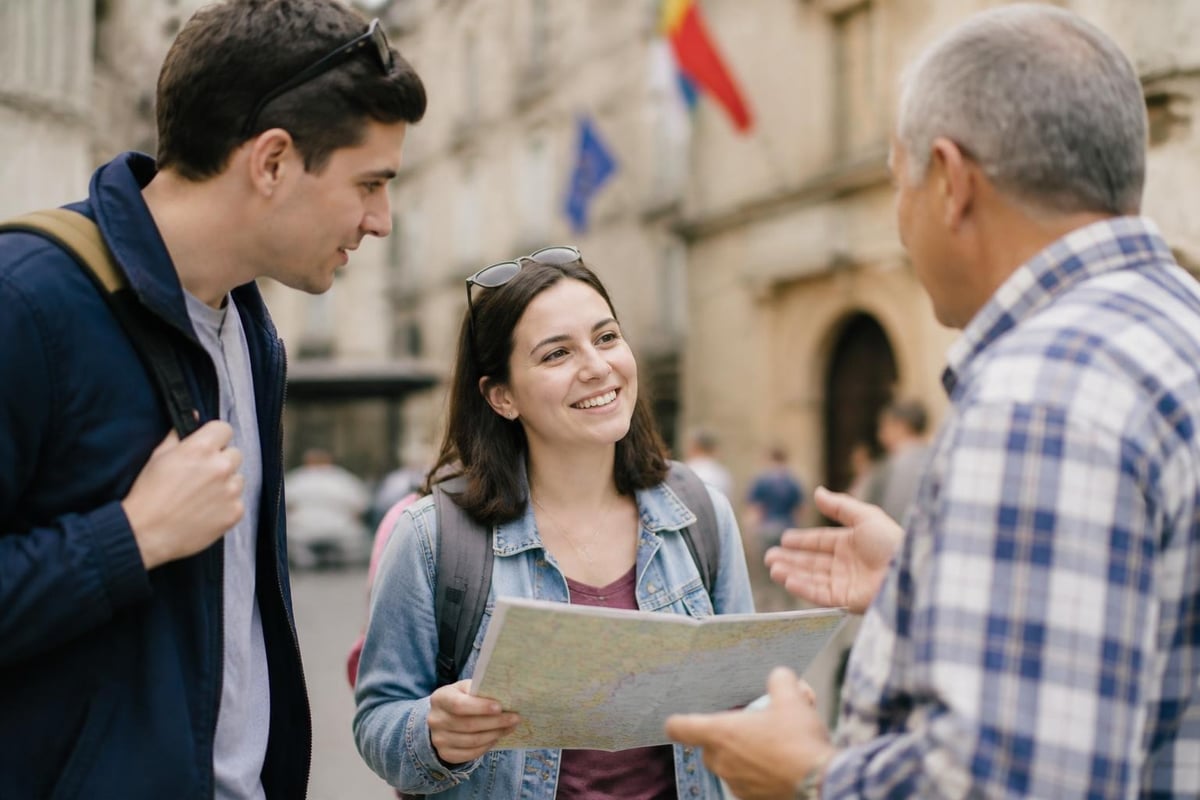
Homestay arrangements offer particularly powerful learning opportunities during language-focused class travel. Living with local families, students navigate daily life in another language, building both linguistic competence and cultural understanding. Schools must carefully vet host families and maintain support systems for students facing challenges.
Technology and Modern Class Travel Management
Digital tools have transformed how educators plan and execute class travel. Mobile apps facilitate real-time communication between trip leaders, students, and parents back home. GPS tracking provides additional security layers, while digital payment systems simplify expense management.
Technology applications for class travel:
- Group messaging platforms for instant communication
- Shared photo repositories documenting learning experiences
- Digital itineraries accessible offline via mobile apps
- Electronic permission slips and medical forms
- Real-time location sharing during free time periods
Technology should enhance rather than replace face-to-face interaction during educational trips. Schools must establish clear expectations about device usage, balancing safety communication needs against the goal of immersing students in new environments. Some programs designate specific "unplugged" periods when students disconnect from devices to engage more fully with their surroundings.
Measuring Impact and Learning Outcomes
Assessing the educational impact of class travel requires methods beyond traditional testing. Schools should evaluate both immediate learning gains and longer-term effects on student attitudes, skills, and academic trajectories.
Pre-trip and post-trip surveys can measure changes in student knowledge, confidence, and interest in subject matter. Reflective journals encourage students to process experiences and connect them to classroom learning. Group discussions after returning help students articulate insights gained during travel.
Long-Term Benefits and Student Development
The benefits of well-designed class travel extend far beyond immediate academic outcomes. Students develop independence, resilience, and problem-solving skills by navigating unfamiliar environments. They build stronger relationships with classmates and teachers through shared challenges and discoveries.
Many adults identify educational trips as pivotal experiences that influenced career choices or sparked lifelong interests. A science field course might inspire a future marine biologist. A history tour could motivate someone toward archaeological research. These long-term impacts, though difficult to quantify, represent the profound value of class travel in shaping young people's futures.
Equity and Access in Educational Travel
Despite the clear benefits, class travel programs risk exacerbating educational inequities if schools don't actively address access barriers. Financial constraints, family circumstances, and special needs accommodations all affect which students can participate.
Progressive institutions adopt universal design principles for class travel, ensuring programs accommodate diverse learning needs and abilities from the outset rather than retrofitting accessibility as an afterthought. This might include selecting destinations with wheelchair access, providing sensory supports for students with autism, or arranging specialized dietary accommodations.
Schools should also examine whether their class travel programs inadvertently favor certain student groups. International trips accessible only to affluent families create two-tiered educational experiences within the same institution. Offering diverse travel options at various price points helps ensure broader participation across the student body.
Building Inclusive Travel Programs
Inclusivity in class travel requires intentional planning and resource allocation. Schools must consider how transportation options, accommodation arrangements, activity choices, and communication methods affect students with different needs and backgrounds.
Consultation with families during planning stages identifies potential barriers early enough to address them effectively. Students with mobility challenges might need specific transportation arrangements or modified activities. Students from certain cultural backgrounds may have dietary requirements or dress code considerations that programs must respect.
Planning successful class travel demands attention to educational objectives, safety protocols, logistical details, and equity considerations. When schools invest the necessary time and resources, educational trips become transformative experiences that enhance learning, build student confidence, and create lasting memories. Whether organizing local field trips or international expeditions, the key lies in thoughtful planning that balances educational value against practical constraints. For schools planning educational travel abroad, reliable ground transportation eliminates logistical stress and allows educators to focus on student learning and safety. Bacharide provides professional chauffeur services across multiple countries, ensuring your student groups arrive safely and on schedule with vetted drivers and 24/7 support.
