· 13 min read
Chauffeur Service Prices: 2026 Pricing Guide & Factors
Discover what drives chauffeur service prices in 2026. Learn about hourly rates, transfer costs, premium factors, and how to budget for luxury ground transportation.

Understanding chauffeur service prices has become increasingly important as business travelers and luxury consumers seek transparent, predictable ground transportation costs in 2026. Unlike traditional taxi meters or app-based surge pricing, professional chauffeur services typically offer fixed-rate pricing models that reflect quality, consistency, and premium service standards. This comprehensive guide examines the factors that influence pricing, typical rate structures across different service types, and how to evaluate whether you're receiving fair value for your investment in private ground transportation.
What Determines Chauffeur Service Prices
The pricing structure for chauffeur services reflects a complex interplay of operational costs, market positioning, and service quality commitments. Understanding these underlying factors helps consumers make informed decisions and recognize the difference between premium service and budget alternatives.
Vehicle Operating Costs and Overhead
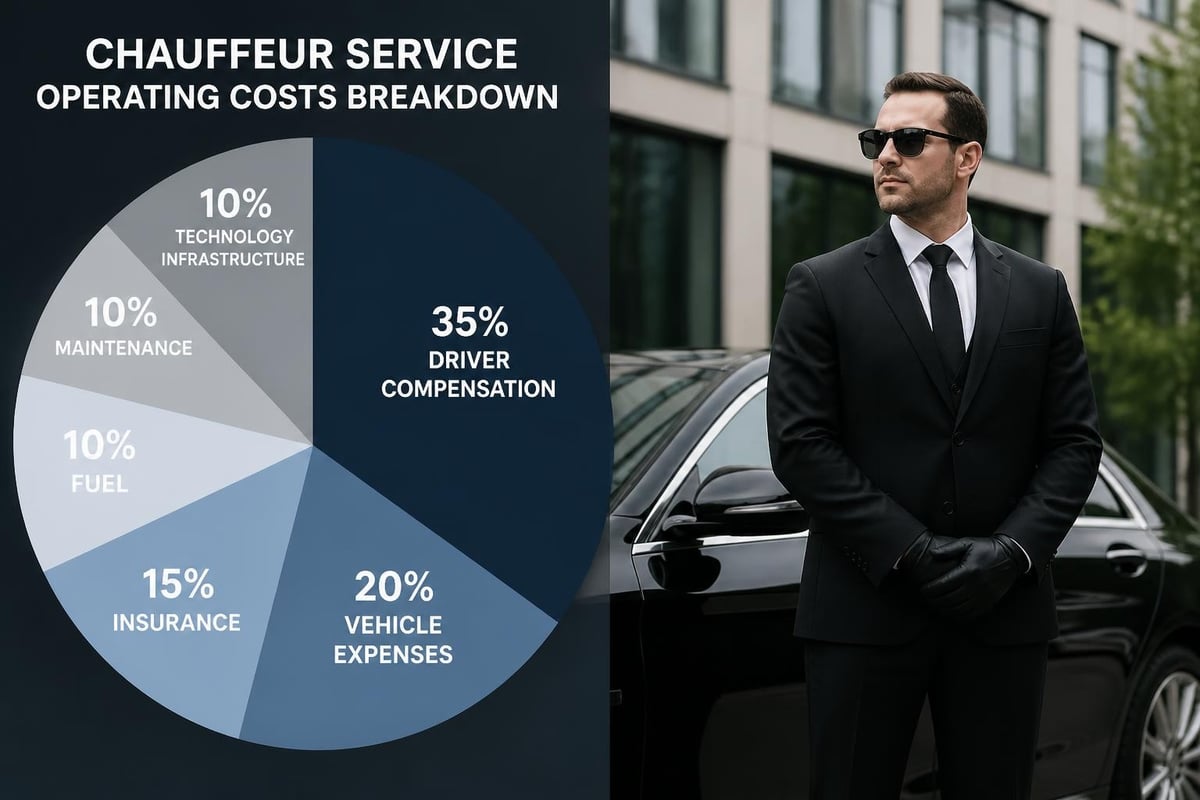
Fleet maintenance, insurance, and fuel represent significant operational expenses that directly impact pricing. According to the IRS standard mileage rate guidance, the cost of operating a business vehicle encompasses depreciation, insurance, maintenance, fuel, and other ownership expenses. Premium chauffeur companies maintain newer vehicles, invest in comprehensive insurance coverage, and perform meticulous maintenance schedules that ensure reliability and passenger safety.
Key operating cost components include:
- Commercial-grade insurance coverage (significantly higher than personal auto policies)
- Regular vehicle maintenance and detailing to maintain showroom condition
- Fuel costs based on current market rates and vehicle efficiency
- Vehicle depreciation and eventual replacement cycles
- Technology systems for dispatch, tracking, and customer communication
- Facility costs for garaging, cleaning, and vehicle storage
Driver compensation represents another substantial cost factor. Professional chauffeurs receive competitive wages, undergo extensive background checks, maintain commercial licenses, and participate in ongoing training programs. These investments in human capital ensure that passengers receive courteous, knowledgeable service from vetted professionals.
Service Level and Fleet Quality
The vehicle class you select dramatically affects chauffeur service prices. Luxury sedan rates differ significantly from SUV, executive van, or specialty vehicle pricing. Higher-tier vehicles command premium rates because they offer enhanced comfort, status, and amenities alongside increased ownership and maintenance costs.
| Vehicle Category | Typical Hourly Rate Range | Common Use Cases |
|---|---|---|
| Executive Sedan | $75-$125 | Airport transfers, business meetings |
| Luxury SUV | $95-$150 | Family travel, group executives |
| Executive Van | $110-$175 | Corporate teams, airport groups |
| Stretch Limousine | $125-$250 | Special events, celebrations |
| Ultra-Luxury Vehicles | $200-$400+ | VIP clients, high-profile events |
Premium chauffeur companies differentiate themselves through vehicle selection, offering late-model luxury brands maintained in impeccable condition. These fleets include Mercedes-Benz S-Class sedans, BMW 7-Series, Cadillac Escalades, and similar prestigious vehicles that communicate professionalism and status.
Geographic Market Variations
Location significantly influences pricing structures. Major metropolitan areas with higher costs of living, stricter regulatory requirements, and increased demand typically command premium rates. For example, Transport for London periodically adjusts fare structures in response to operating cost changes and regulatory considerations, demonstrating how geographic factors impact ground transportation pricing.
International destinations present additional considerations, including currency fluctuations, local labor costs, fuel pricing differences, and regulatory compliance expenses. Services operating across multiple countries must account for these variations while maintaining consistent quality standards.
Common Pricing Models for Chauffeur Services
Professional chauffeur companies employ several pricing structures designed to provide transparency and predictability. Understanding these models helps consumers select the option that best matches their specific travel needs and budget requirements.
Hourly Rates and Minimum Time Requirements
Hourly pricing offers flexibility for travelers with multiple stops, uncertain schedules, or extended service needs. Most companies establish minimum booking periods, typically ranging from two to four hours, ensuring economically viable engagements for both provider and client.
Hourly rate considerations:
- Minimum booking requirements (commonly 2-4 hours)
- Overtime rates beyond the contracted period
- Wait time policies and charges
- Included mileage allowances or distance-based surcharges
- After-hours and weekend premium rates
- Holiday surcharges during peak demand periods
This model works particularly well for business travelers attending multiple meetings throughout a day, wedding parties requiring transportation across various venues, or tourists booking city tours with flexible itineraries.
Point-to-Point Fixed Transfer Rates
Airport transfers and other fixed-route services typically employ flat-rate pricing based on origin and destination. This transparent model eliminates uncertainty about final costs, particularly valuable when dealing with airport congestion, traffic delays, or route variations that don't affect the agreed price.
Fixed transfer pricing accounts for average distance, typical traffic patterns, airport access fees, and reasonable wait times. For instance, travelers seeking reliable airport transfer services in Agadir to destinations like Taghazout, Marrakech, or Essaouira benefit from knowing their exact transportation cost before departure, enabling better travel budget planning.

Advantages of fixed-rate transfers include:
- Budget certainty with no meter watching or surge pricing surprises
- Traffic protection where delays don't increase passenger costs
- Inclusive pricing that typically covers reasonable wait times and parking fees
- Simplified billing for corporate accounts and expense reporting
- Meet-and-greet services often included at airports and hotels
Daily and Multi-Day Packages
Extended engagements benefit from daily rates that offer better value than continuous hourly billing. Companies structure these packages for conferences, corporate events, destination weddings, or executive travel requiring dedicated transportation over several days.
Daily packages typically include 8-10 hours of service with a predetermined mileage allowance. Exceeding these parameters incurs additional charges, but the base package delivers substantial savings compared to equivalent hourly bookings. Multi-day commitments often unlock further discounts as companies value the revenue certainty and scheduling efficiency.
Additional Fees and Surcharges
Beyond base rates, chauffeur service prices often include supplementary charges that reflect special circumstances, premium timing, or extraordinary service requirements. Transparency about these additional costs distinguishes reputable providers from those who surprise clients with unexpected fees.
Airport Access and Facility Fees
Many airports impose charges on commercial ground transportation providers for terminal access, curbside pickup privileges, and staging lot usage. These mandatory fees range from modest flat rates to percentage-based calculations tied to service value. Professional chauffeur companies typically disclose these charges separately or incorporate them into quoted transfer prices with clear explanation.
Wait time policies vary by provider. Complimentary waiting periods for airport pickups commonly range from 30 to 60 minutes after flight arrival, accommodating deplaning, baggage claim, and customs processing. International arrivals often receive extended grace periods. Beyond complimentary windows, wait time charges apply, usually calculated in 15 or 30-minute increments.
Premium Time Surcharges
Demand-based pricing adjustments reflect operational realities and market conditions during peak periods. Understanding when these surcharges apply helps travelers budget accurately and potentially adjust travel timing when flexibility exists.
Common premium time scenarios:
- Late-night and early-morning services (typically 10 PM to 6 AM)
- Weekend service premiums on Fridays, Saturdays, and Sundays
- Major holiday surcharges (New Year's Eve, Christmas, Thanksgiving)
- Special event periods (conferences, festivals, major sporting events)
- Peak travel seasons in tourist destinations
According to research on business travel ground transportation strategies, corporate travel managers increasingly prioritize cost predictability alongside duty of care considerations, making transparent surcharge disclosure essential for maintaining business accounts.
Gratuity and Service Charges
Tipping customs for chauffeur services differ from taxi protocols, with many companies including gratuity in quoted prices while others leave this at client discretion. Standard gratuity ranges from 15-20 percent of the base fare when not pre-included, though exceptional service often merits additional recognition.
Some providers incorporate service charges covering gratuity, administrative costs, and payment processing fees. The National Limousine Association emphasizes pricing transparency as an industry best practice, encouraging members to clearly itemize all charges so clients understand exactly what they're paying and why.
Comparing Value Across Price Points
The chauffeur service market spans budget-conscious options through ultra-luxury experiences, with chauffeur service prices reflecting this broad spectrum. Evaluating value requires looking beyond the bottom line to consider reliability, safety, professionalism, and overall experience quality.

Budget vs. Premium Service Distinctions
Lower-priced options may deliver satisfactory transportation but often involve trade-offs in vehicle age, driver experience, customer support availability, and service reliability. Premium providers invest heavily in fleet quality, driver vetting, training programs, technology systems, and 24/7 customer support infrastructure that justifies higher rates.
Premium service differentiators:
- Newer vehicles (typically 2-3 years old or less) in pristine condition
- Extensively background-checked and professionally trained chauffeurs
- Real-time flight monitoring with proactive schedule adjustments
- 24/7 customer support for changes, questions, or concerns
- Consistent service quality across markets and geographies
- Comprehensive insurance coverage protecting passengers and belongings
Market analysis of ground transportation trends indicates growing consumer willingness to pay premium rates for guaranteed quality, particularly in business travel contexts where reliability and professionalism directly impact productivity and corporate image.
Corporate vs. Personal Pricing Structures
Business accounts often receive preferential pricing through volume commitments, simplified billing processes, and dedicated account management. Corporate chauffeur service prices reflect these economies of scale while ensuring consistent quality across all employee travel.
| Pricing Element | Corporate Accounts | Individual Bookings |
|---|---|---|
| Base Rates | Volume discounts applied | Standard published rates |
| Billing Method | Monthly consolidated invoicing | Per-trip payment |
| Payment Terms | Net 30-60 day terms | Immediate payment required |
| Cancellation Policy | Flexible within guidelines | Standard cancellation fees |
| Account Support | Dedicated account manager | General customer service |
Companies managing significant travel programs negotiate customized rate structures that balance cost control with service quality requirements. These arrangements benefit both parties through revenue predictability for providers and cost certainty for corporate buyers.
Dynamic Pricing vs. Fixed Rate Models
The ground transportation industry has witnessed the rise of algorithmic, demand-based pricing through ride-hailing platforms. Understanding how traditional chauffeur pricing differs from these dynamic models helps consumers choose the appropriate service for their needs.
The Case for Predictable Pricing
Professional chauffeur services predominantly maintain fixed pricing structures that protect consumers from volatility. Research on algorithmic pricing in ride-hailing demonstrates how demand-based surge multipliers can dramatically increase costs during peak periods, airport rushes, or special events, precisely when travelers most need reliable transportation.
Fixed chauffeur service prices offer several advantages:
- Budget certainty enabling accurate expense forecasting and approval
- Fairness ensuring consistent rates regardless of momentary demand spikes
- Simplified expensing for business travelers submitting reimbursement claims
- Rate shopping allowing meaningful price comparison across providers
- Premium positioning reinforcing professional service differentiation from commodity rideshare
These benefits align with corporate travel policies emphasizing cost predictability and traveler duty of care over opportunistic savings.
When Dynamic Pricing Makes Sense
Some chauffeur companies experiment with limited dynamic pricing during extraordinary demand periods or special events. When implemented transparently with advance notice, modest rate adjustments help balance capacity and demand while maintaining service availability during peak periods.
Modern pricing strategy frameworks suggest that service businesses can benefit from sophisticated pricing approaches that consider customer value perceptions, competitive positioning, and operational costs. However, the premium chauffeur segment generally favors pricing stability that reinforces quality positioning over margin optimization through volatility.
Tax Considerations and Business Deductions
Business travelers and companies utilizing chauffeur services should understand the tax treatment of ground transportation expenses. Proper documentation and awareness of deductibility rules maximize the value derived from professional transportation investments.
Deducting Ground Transportation Costs
IRS Publication 463 provides guidance on deducting business-related travel expenses, including ground transportation between airports, hotels, meeting venues, and client locations. Chauffeur services for legitimate business purposes generally qualify as deductible expenses when properly documented.
Essential documentation includes:
- Detailed receipts showing date, origin, destination, and business purpose
- Clear distinction between business and personal trip components
- Supporting evidence connecting travel to specific business activities
- Proper coding in accounting systems for accurate tax reporting
Companies establishing travel policies should clearly define when chauffeur services are approved versus standard transportation options, balancing employee experience, productivity benefits, and cost control objectives.
Mileage Reimbursement Comparisons
Organizations sometimes compare chauffeur service prices against employee mileage reimbursement costs when deciding which option offers better value. The standard mileage rate covers vehicle operation, depreciation, and associated costs, but doesn't account for employee time, parking fees, or the productivity advantages of chauffeur-driven transportation.
Premium chauffeur services deliver value beyond basic transportation by enabling passengers to work, prepare for meetings, make calls, or simply rest during transit. These productivity benefits often justify higher nominal costs compared to self-drive alternatives, particularly for senior executives whose time carries significant value.
How to Evaluate Chauffeur Service Quotes
When researching transportation options, comparing chauffeur service prices requires understanding what's included, identifying potential additional costs, and assessing the provider's reliability and reputation. A comprehensive evaluation process ensures you select quality service at fair market rates.
Essential Questions to Ask Providers
Before committing to a chauffeur service, request detailed information about their pricing structure and service standards:
- What exactly does the quoted rate include (gratuity, wait time, parking, tolls)?
- Are there minimum booking periods or mileage limitations?
- How do you handle flight delays, schedule changes, or cancellations?
- What insurance coverage protects passengers and belongings?
- Can you guarantee the specific vehicle class booked?
- What happens if the assigned vehicle has mechanical issues?
- Do you monitor flights proactively for airport pickups?
- What customer support is available if issues arise during service?
Reputable providers answer these questions clearly and confidently, providing written confirmation of terms and conditions. Evasive responses or reluctance to document agreements should raise concerns about service quality and transparency.
Red Flags in Chauffeur Pricing
Unusually low quotes often indicate compromises in vehicle quality, driver professionalism, insurance coverage, or service reliability. While everyone appreciates good value, chauffeur service prices significantly below market rates deserve scrutiny regarding what corners are being cut.
Warning signs include:
- Refusing to provide detailed written quotes itemizing all charges
- Vague descriptions of vehicle types or guarantees
- No established cancellation or modification policies
- Lack of proper licensing, insurance verification, or business credentials
- Poor online reviews mentioning reliability issues or hidden fees
- Unprofessional communication or delayed responses
- Pressure tactics encouraging immediate booking without due diligence
Professional chauffeur companies welcome questions, provide transparent pricing, maintain comprehensive insurance, and demonstrate their track record through client testimonials and verifiable service history.
Regional Price Benchmarking
Chauffeur service prices vary substantially across geographic markets based on local operating costs, competitive dynamics, and demand patterns. Understanding regional benchmarks helps travelers identify fair pricing and avoid both overpriced services and suspiciously cheap alternatives.
North American Market Pricing
Major U.S. metropolitan areas typically see executive sedan airport transfers ranging from $65-$150 depending on distance and market. New York, Los Angeles, San Francisco, and other high-cost cities command premium rates reflecting expensive commercial insurance, driver wages, and operational overhead.
Mid-size markets offer more moderate pricing while maintaining service quality standards. Corporate accounts in these regions often negotiate rates 10-15 percent below published retail pricing through volume commitments.
European and International Markets
European chauffeur markets demonstrate significant price variation across countries and cities. London, Paris, Geneva, and other major business centers maintain premium pricing structures while Eastern European markets offer lower rates alongside different service expectations.
Currency fluctuations impact international pricing, with providers periodically adjusting rates to reflect exchange rate movements. Travelers booking cross-border services should clarify whether quotes reflect local currency or converted amounts and understand payment currency expectations.
Understanding chauffeur service prices empowers travelers to make informed decisions that balance cost, quality, and convenience for their specific ground transportation needs. Whether you're planning airport transfers, corporate travel, or special event transportation, transparent pricing from established providers delivers the predictability and reliability that premium service demands. Bacharide has completed over 1.4 million rides across multiple countries, offering fixed-price chauffeur services with vetted drivers and 24/7 support that eliminate pricing uncertainty while ensuring consistently exceptional travel experiences.
